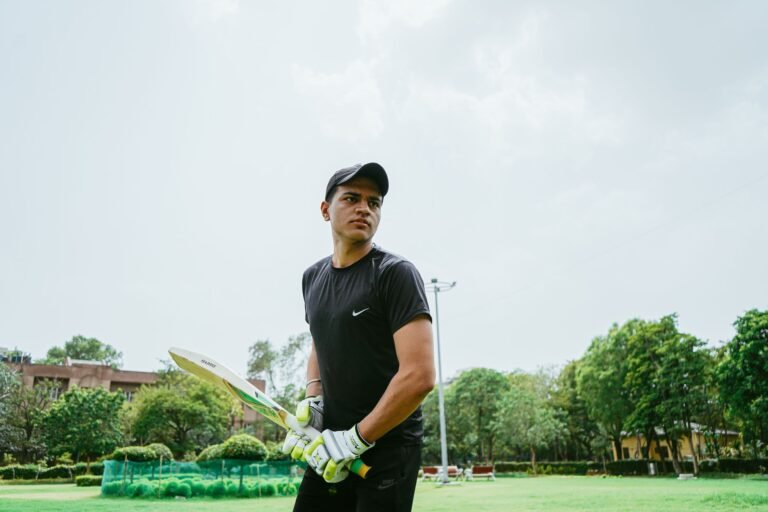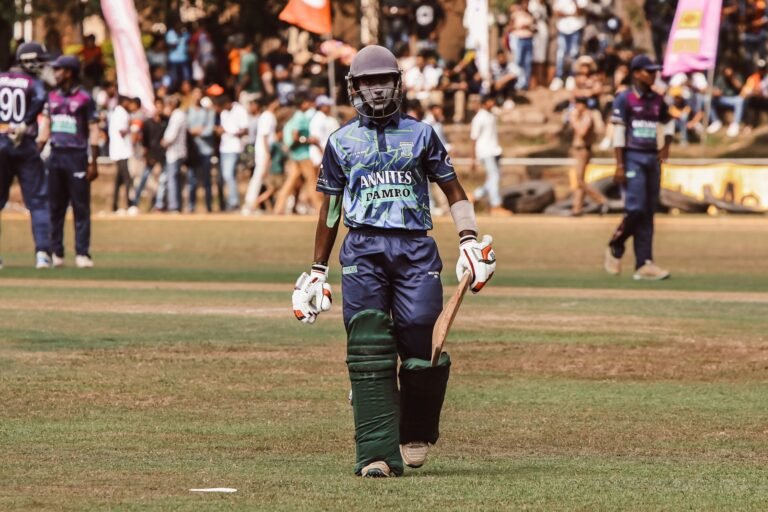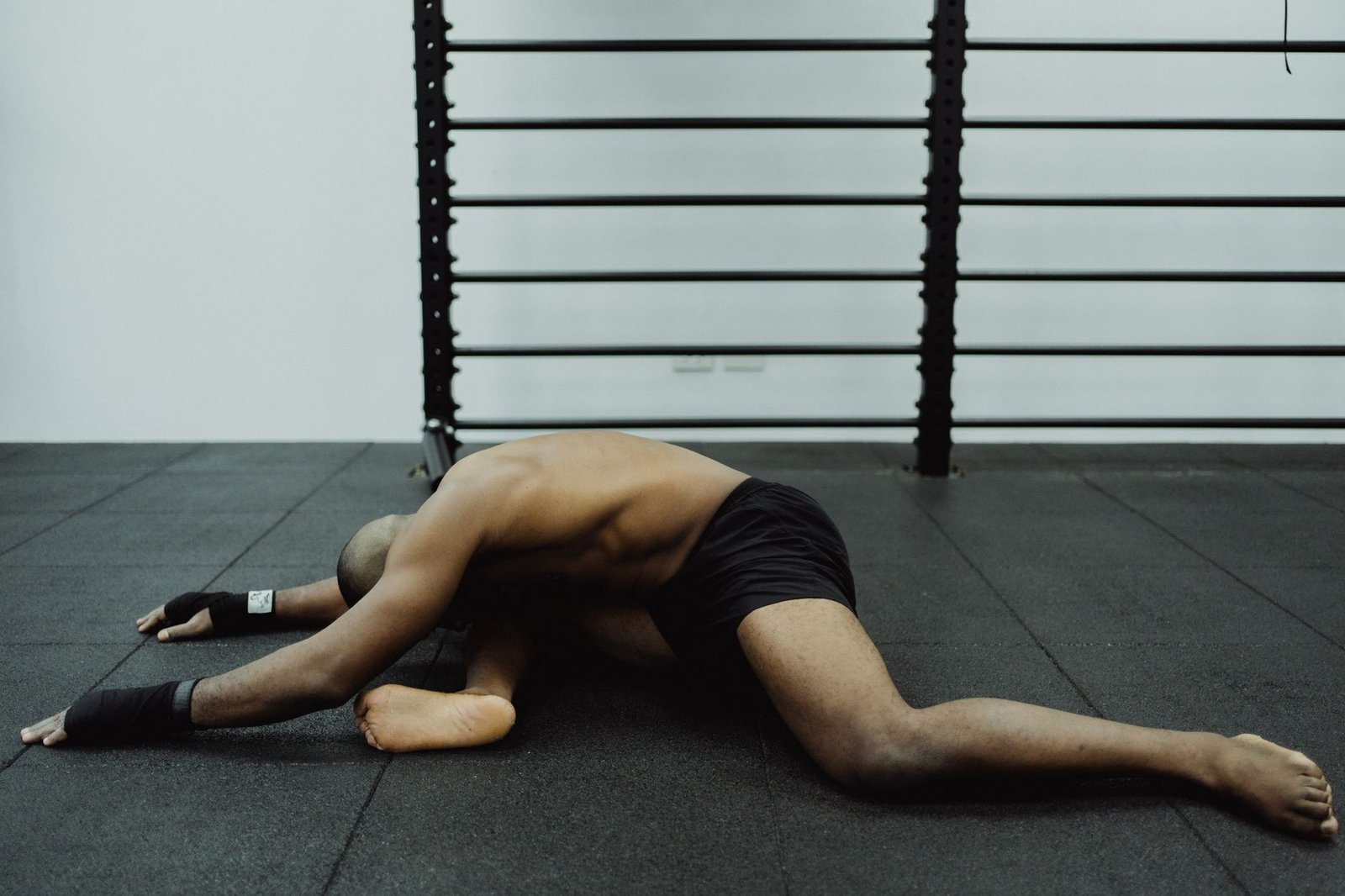
The SA hamstring crisis is escalating as Williams replaces Maphaka. This change raises concerns about player performance and recovery during the season.
Understanding the SA Hamstring Crisis
The SA hamstring crisis has escalated, leaving many fans and analysts concerned about the implications for both players and teams. This ongoing issue has seen a notable increase in hamstring injuries among South African players, leading to questions about training methods, player fitness, and recovery protocols.
Several key players have already succumbed to these injuries, impacting their availability for upcoming matches. The replacement of Maphaka by Williams is just one example of how teams are struggling to adapt to this situation. Coaches are now forced to rethink their strategies and line-ups as they navigate the growing list of sidelined athletes.
In understanding the SA hamstring crisis, it is essential to consider the factors contributing to this epidemic. The following aspects are worth noting:
- Increased match intensity: Players are pushed to their limits, leading to greater strain on muscles.
- Lack of recovery time: A congested schedule leaves little room for proper rehabilitation.
- Training techniques: Evaluating whether current methodologies are adequate for injury prevention.
As the crisis deepens, addressing these factors becomes crucial for the future of South African rugby.
Impact of Injuries on Team Performance
The ongoing SA hamstring crisis has significantly affected team performance across various leagues. With a growing list of injured players, coaches are forced to adjust their strategies and line-ups frequently, leading to inconsistent results on the field.
One of the major impacts of these injuries includes:
- Decreased Team Cohesion: With key players sidelined, teams struggle to maintain their chemistry. This lack of familiarity can lead to miscommunication and errors during crucial moments of matches.
- Increased Pressure on Remaining Players: The absence of injured teammates places additional responsibilities on those who remain. This can result in fatigue and burnout, further complicating the situation.
- Loss of Morale: A string of injuries can demoralize a team. Players may feel disheartened watching their colleagues unable to compete, which can negatively influence their own performances.
- Impact on Future Seasons: The long-term effects of the hamstring crisis may extend beyond the current season, as teams may need to invest in new players or training regimens to prevent similar injuries in the future.
As the crisis continues to unfold, the focus remains on how teams will adapt to these challenges and mitigate the impact on their overall performance.
Williams Steps In: What It Means
In light of the ongoing SA hamstring crisis, the South African rugby team has made a significant change by appointing Williams as the replacement for Maphaka. This decision comes as the injury situation continues to worsen, prompting urgent action from the coaching staff.
Williams, known for his agility and quick recovery times, brings a fresh perspective to the squad. His experience in high-pressure situations may prove invaluable as the team seeks to navigate through this challenging phase. The impact of his inclusion can be multifaceted:
- Boosting Morale: Williams’ arrival may uplift team spirit, providing a much-needed confidence boost to players who are grappling with the weight of injuries.
- Strategic Adjustments: The coaching staff may need to recalibrate their strategies to leverage Williams’ strengths, which could lead to a more dynamic playing style.
- Future Implications: His performance could influence not only the current matches but also the selection criteria for future games, especially as the SA hamstring crisis unfolds.
As the team adapts to these changes, all eyes will be on Williams to see how he can contribute to mitigating the effects of this unprecedented injury epidemic.
Maphaka’s Departure and Its Consequences
The recent departure of Maphaka has sent shockwaves through the South African rugby community, exacerbating the ongoing SA hamstring crisis. His absence not only leaves a significant gap in the team’s strategy but also raises concerns about the overall morale of the players.
Maphaka was known for his agility and game intelligence, making him a key player in various positions. His exit means that the team must now rely on less experienced players to step up, which could lead to inconsistent performance on the field.
Some consequences of Maphaka’s departure include:
- Increased Pressure: The remaining players may feel heightened pressure to perform, potentially leading to further injuries.
- Team Dynamics: Shifts in team dynamics can create uncertainty, making it difficult for players to adapt to new roles.
- Strategic Adjustments: Coaches might need to rethink their game plans, which can disrupt the flow of the season.
As the SA hamstring crisis continues to unfold, it is crucial for the team to find ways to cope with these changes while maintaining a competitive edge in upcoming matches.
Injury Management Strategies in Sports
In the wake of the ongoing SA hamstring crisis, effective injury management strategies have become paramount for teams striving to mitigate the adverse effects on player performance. Coaches and medical staff are now prioritizing a multifaceted approach to injury prevention and rehabilitation.
Some of the key strategies include:
- Strength Training: Implementing tailored strength programs to enhance muscle resilience and reduce the risk of hamstring injuries.
- Flexibility Exercises: Regular stretching routines to improve overall flexibility, which can help prevent strains.
- Recovery Protocols: Utilizing ice baths, massage therapy, and other recovery techniques to support players’ healing processes after intense training sessions.
- Load Management: Monitoring players’ training loads and game time to ensure they do not exceed their physical limits.
Furthermore, ongoing education on injury awareness and the importance of reporting discomfort can empower players to take charge of their health. By embracing these strategies, teams aim to navigate the challenges posed by the current crisis and safeguard their athletes for the future.
Historical Context of Hamstring Injuries
The history of hamstring injuries in South African sports has been a topic of increasing concern, especially in light of the current SA hamstring crisis. Over the past decade, numerous athletes across various sports have faced significant setbacks due to these injuries, often sidelining them during critical phases of their careers.
Hamstring injuries, which typically occur due to overstretching or excessive force, have been particularly prevalent among high-performance athletes who are required to sprint, change directions quickly, or engage in explosive movements. This has led to a growing body of research aimed at understanding the causes and prevention of such injuries.
In past seasons, teams have struggled to maintain consistent line-ups as key players frequently succumbed to hamstring issues. The trend has raised questions about training regimens, conditioning programs, and even the physical demands placed on athletes. Coaches and sports scientists have begun to emphasize the importance of tailored training programs that focus on flexibility and strength to mitigate the risk of hamstring injuries.
As the SA hamstring crisis continues, it remains crucial for teams to learn from historical patterns and develop effective strategies to protect their players and enhance overall performance.
Expert Opinions on Recovery
As the SA hamstring crisis continues to unfold, experts are weighing in on the implications for player recovery and overall team dynamics. Renowned sports physiotherapist, Dr. Lungi Mthethwa, emphasizes the need for a tailored rehabilitation approach. “Every player’s recovery timeline can vary significantly,” she notes, “and the focus should be on not just returning to play, but doing so without the risk of re-injury.”
Additionally, former professional athlete, Thabo Nkosi, highlights the psychological aspects of recovery. “Injuries can take a toll on mental health. Players need support, not only physically but also emotionally,” he explains. “The fear of re-injury can be a major barrier to performance.”
Experts also stress the importance of nutrition and rest in the recovery process. Proper hydration and a balanced diet can play pivotal roles in muscle recovery, while adequate sleep is essential for healing.
With the SA hamstring crisis affecting numerous players, understanding these expert opinions can provide valuable insights for both athletes and coaching staff as they navigate this challenging period.
Future Outlook for South African Cricket
The future outlook for South African cricket appears uncertain as the SA hamstring crisis continues to affect player availability and team dynamics. With several key athletes sidelined due to hamstring injuries, the national team faces challenges in maintaining competitive performance on the international stage.
The recent appointment of Williams as the new physiotherapist brings a sense of hope. His expertise in injury rehabilitation could be crucial in addressing the ongoing issues and developing effective management strategies. However, the long-term repercussions of these injuries may linger, potentially impacting player selection and team cohesion.
As the cricketing community watches closely, several factors will play a pivotal role in shaping the future:
- Player Recovery: The speed and effectiveness of recovery programs will determine how quickly injured players can return to form.
- Injury Prevention: Implementing advanced training techniques and conditioning programs could help minimize the risk of future injuries.
- Talent Development: Fostering young talent may provide the depth needed to counteract the impacts of current injuries.
Ultimately, the response to the SA hamstring crisis will significantly influence the trajectory of South African cricket in the coming years.
Photo by Ketut Subiyanto on Pexels
References
Related stories
- T20I wins record: Is India’s achievement the best in cricket?
- Ajit Agarkar Free Hand: BCCI’s Bold Move After Retirements
- Asian Games Kabaddi Updates: Quick Scores and Results
About the Author