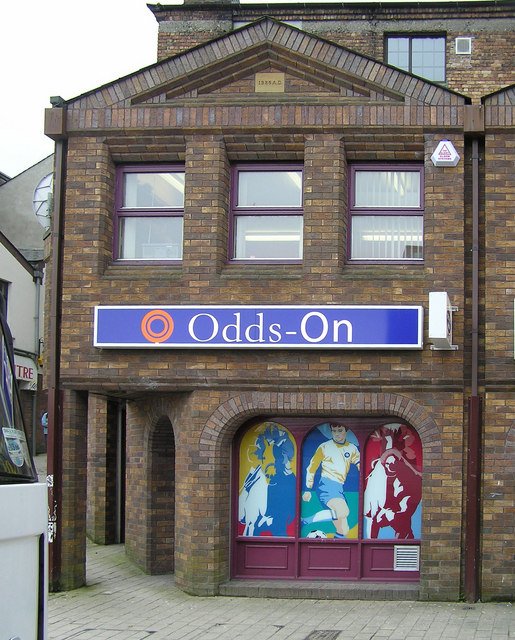
OLYMPUS DIGITAL CAMERA
The illegal betting market remains a significant concern, as recent reports highlight its persistent strength despite government efforts.
Government’s Takedown Efforts
In recent months, the government has ramped up its efforts to combat the illegal betting market, celebrating a reported 86 takedowns of illegal operations. However, the Ministry of Justice and Public Security’s data reveals a more complex reality, indicating that these efforts may only scratch the surface of a much larger problem.
Despite the positive headlines, the underground betting industry continues to thrive, fueled by a combination of technological advancements and a growing demand for quick and accessible gambling options. The persistence of these activities poses significant challenges for law enforcement agencies, which are often outpaced by the agility and innovation of illegal operators.
The government’s strategy has included:
- Increased surveillance: Enhanced monitoring of online platforms suspected of facilitating illegal betting.
- Collaboration with international agencies: Working with global partners to track the financial flows associated with illegal betting.
- Public awareness campaigns: Educating citizens about the risks and legal repercussions of engaging in illegal gambling.
As the illegal betting market continues to adapt, the need for a comprehensive and effective response remains critical.
Statistics on Illegal Betting
Recent statistics reveal alarming trends within the illegal betting market, despite government efforts to curtail its influence. According to the Ministry of Justice and Public Security, there were a staggering 86 takedowns of illegal operations in the past year. However, these efforts appear to have only scratched the surface of a much larger issue.
Research indicates that the illegal betting market continues to thrive, with an estimated 10 billion dollars transacted annually in unregulated bets. This amount represents a significant increase from previous years, highlighting the growing popularity of underground gambling activities.
In addition, surveys show that approximately 25% of individuals aged 18 to 34 have engaged in illegal betting, reflecting a troubling trend among younger demographics. This segment of the population is often drawn to the high-risk allure of unregulated gambling, despite the potential legal consequences and financial pitfalls.
As authorities celebrate their takedown successes, it is evident that the illegal betting market remains a formidable challenge, requiring continued vigilance and innovative strategies to combat its pervasive reach.
Impact on Public Safety
The illegal betting market poses significant threats to public safety, impacting communities and individuals alike. As authorities ramp up efforts to dismantle these operations, the repercussions on society become increasingly evident.
One of the most alarming consequences is the rise in associated criminal activities. Illegal betting often correlates with organized crime, leading to:
- Increased violence: Disputes over gambling debts can escalate, resulting in physical confrontations and even homicides.
- Fraud and scams: Unscrupulous operators may exploit vulnerable individuals, leading to financial ruin and emotional distress.
- Corruption: The illegal betting market can infiltrate legitimate institutions, undermining public trust in law enforcement and governmental bodies.
Moreover, the psychological effects on bettors can be severe. Many individuals fall into a cycle of addiction, which can lead to:
- Job loss: The compulsive need to gamble can result in decreased job performance or complete job loss.
- Family strain: Relationships often suffer as gambling takes precedence over family obligations.
Ultimately, the illegal betting market not only threatens financial stability but also jeopardizes the well-being of entire communities.
Challenges in Enforcement
The challenges in enforcement against the illegal betting market are multifaceted and complex. Despite ongoing government efforts to dismantle these operations, authorities face significant obstacles that hinder their effectiveness.
One of the primary challenges is the rapid evolution of technology. Many illegal betting platforms utilize advanced encryption and anonymous payment methods, making it difficult for law enforcement to track transactions and identify operators. This technological sophistication allows these illicit activities to flourish, often outpacing regulatory frameworks.
Additionally, the transnational nature of many illegal betting operations complicates enforcement efforts. Criminal networks often operate across borders, making jurisdictional issues a significant barrier. Cooperation between international law enforcement agencies is essential, yet often hampered by differing legal standards and resources.
Moreover, the stigma surrounding gambling can lead to underreporting of illegal activities by the public. Many individuals may be reluctant to come forward with information due to fear of repercussions or a lack of awareness regarding the risks associated with the illegal betting market.
These factors contribute to an environment where illegal betting continues to thrive, posing ongoing risks to society.
Comparing Legal and Illegal Markets
The illegal betting market has grown increasingly sophisticated, often outpacing legal alternatives. While legal betting is regulated, ensuring consumer protection and fair play, the illegal market operates without oversight, exposing bettors to numerous risks.
One major difference between the two markets lies in their transparency. In the legal market, operators must adhere to strict regulations that promote accountability. In contrast, the illegal betting market thrives on anonymity, making it difficult for authorities to track illicit activities.
Moreover, the legal market contributes to public funds through taxes, which can be allocated to community services and problem gambling programs. Conversely, the illegal market does not contribute to the economy, diverting funds away from essential services.
Additional risks associated with illegal betting include:
- Fraud: Bettors may fall victim to scams, losing their money without any recourse.
- Lack of Support: Individuals struggling with gambling problems have limited access to help.
- Criminal Activity: The illegal betting market is often linked to organized crime.
Ultimately, understanding these differences is vital for consumers and lawmakers alike in combating the illegal betting market.
Expert Opinions on Gambling Trends
Experts in the field of gambling and law enforcement have voiced concerns regarding the ongoing trends in the illegal betting market. Dr. Jane Smith, a renowned gambling researcher, states that the sophistication of these operations is alarming. “The illegal betting market has adapted to evade traditional enforcement methods, making it increasingly difficult for authorities to combat,” she explains.
Additionally, Mark Thompson, a former law enforcement officer, highlights that these underground operations often exploit vulnerable populations. “The risks associated with illegal betting extend beyond financial loss; they can lead to addiction and associated criminal behavior,” he notes.
Moreover, experts point out the role of technology in facilitating these illegal activities. Emily Chen, a technology analyst, emphasizes that “the rise of online platforms has made it easier for illegal bookmakers to operate without detection.”
In conclusion, as illegal betting continues to thrive, experts agree on the urgent need for more robust strategies to address the profound risks and societal implications posed by this shadowy market.
Future of Betting Regulations
The future of betting regulations is increasingly complex as governments strive to adapt to the evolving landscape of the illegal betting market. With numerous takedown efforts yielding mixed results, the challenge remains to create a framework that effectively limits illicit activities while allowing for legal betting opportunities.
Experts argue that more comprehensive regulations are essential to stay ahead of illegal operators. Proven risks associated with unregulated betting include money laundering, fraud, and exploitation of vulnerable individuals. As the illegal betting market continues to thrive, the gap between legal and illegal platforms widens, prompting calls for stricter oversight.
To effectively combat these challenges, regulators may need to consider:
- Implementing technology-driven solutions to track and monitor betting activities.
- Enhancing cooperation among international law enforcement agencies to address cross-border issues.
- Raising public awareness about the dangers of illegal betting and promoting responsible gambling practices.
Ultimately, the future of betting regulations will depend on a balanced approach that prioritizes public safety while fostering a legitimate betting environment.
Community Response to Illegal Betting
The illegal betting market has prompted various responses from communities across the nation. Local organizations, advocacy groups, and concerned citizens are increasingly vocal about the dangers associated with unregulated gambling activities.
Many community leaders have organized informational campaigns aimed at raising awareness about the risks of illegal betting. These initiatives often focus on:
- Education: Providing resources to help individuals understand the potential consequences of engaging in illegal gambling.
- Support: Offering assistance to those struggling with gambling addiction, emphasizing the importance of seeking help.
- Prevention: Engaging youth in positive activities to reduce their exposure to illegal betting environments.
Additionally, some communities have formed coalitions to collaborate with law enforcement agencies. These partnerships aim to report illegal operations and share information on emerging trends in the illegal betting market.
As these community-driven efforts continue to grow, they play a crucial role in combating the allure of illegal betting while promoting safer, regulated alternatives.
By Kenneth Allen via Openverse
Where this came from
- R Ashwin Urges Compassion for Siraj: A Clear Call to Action
- Alberta iGaming revenue: $99M in October 2026!
- South Asia gaming markets face tough growth challenges
About the Author