Copyright(c) nagesh.kamath@gmail.com
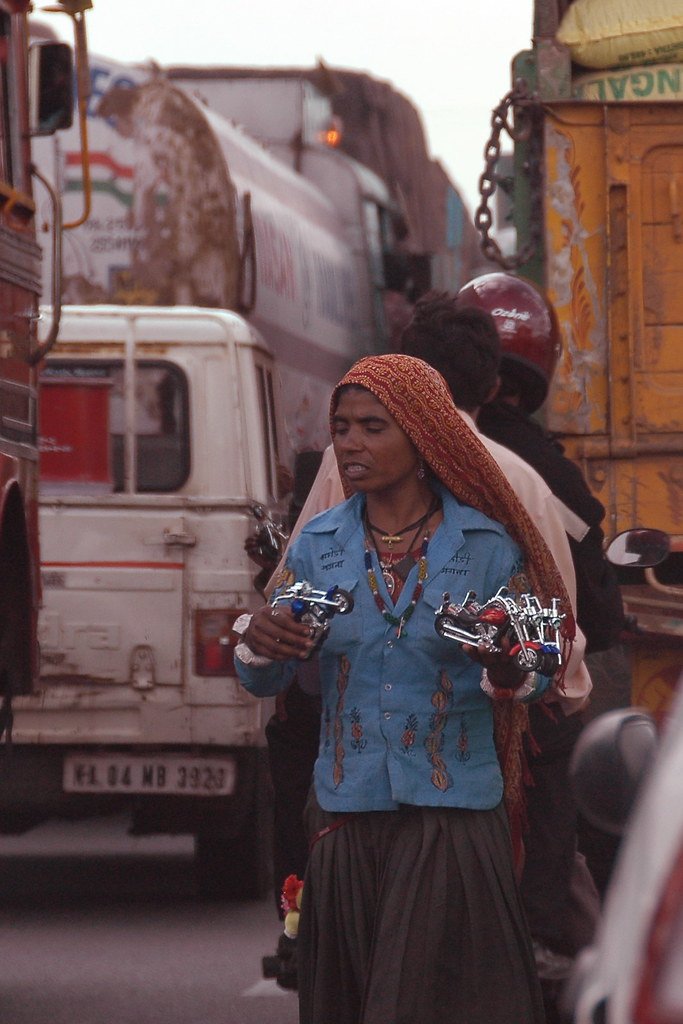
Bengaluru traffic jam has become a frustrating reality for residents, who are now facing waits of up to 30 minutes just to exit their society. This situation raises questions about urban planning and traffic management.
Residents’ Experiences with Traffic
Bengaluru, often hailed as India’s Silicon Valley, is increasingly facing issues with its traffic infrastructure. Many residents describe their daily commute as a daunting challenge, particularly during peak hours. A recent video shared by a Bengaluru woman highlights the extent of the problem, showing a traffic jam within her residential society where residents reportedly wait up to 30 minutes just to exit.
For many, this has become a common frustration. Residents have taken to social media to express their discontent, sharing stories about lengthy delays and the impact on their daily lives. The experience of being stuck in a traffic jam can be overwhelming, leading to increased stress levels and lost productivity. Some residents have even described the situation as a “nightmare.”
- Long Wait Times: Many residents report spending over an hour in traffic daily.
- Increased Stress: Prolonged commutes contribute to anxiety and frustration.
- Impact on Lifestyle: Traffic jams have led to changes in work schedules and family time.
As the city continues to grow, the question remains: can Bengaluru find effective solutions to alleviate the persistent traffic jam issues that plague its residents? Many hope that improvements to infrastructure and public transport can provide some relief in the near future.
Impact on Daily Life
The persistent Bengaluru traffic jam has become a daily hurdle for many residents, significantly impacting their quality of life. As congestion worsens, the time spent commuting has increased, leading to frustration and stress. Many individuals report spending hours stuck in traffic, which eats into time that could be spent with family or pursuing leisure activities.
Residents have begun to adjust their daily routines in response to the never-ending gridlock. Some have opted for:
- Flexible work hours to avoid peak traffic times.
- Carpooling to lessen the number of vehicles on the road.
- Using public transportation when possible, although this too can be an unreliable option.
Moreover, the toll on mental health cannot be ignored. The daily stress of navigating through a Bengaluru traffic jam can lead to anxiety and irritability among residents. Reports indicate that many people have expressed a growing sense of helplessness regarding the situation, feeling trapped in a cycle of congestion with no viable solutions in sight.
As traffic continues to disrupt daily life, the city’s residents find themselves seeking alternative routes and modes of transportation, hoping for relief from the relentless jams that define their commutes.
Possible Solutions to Traffic Issues
The ongoing issue of Bengaluru traffic jams has prompted many residents to seek solutions to alleviate the congestion that plagues their daily commutes. Various strategies have been proposed to tackle this growing problem, aiming to improve the overall traffic situation in the city.
- Enhanced Public Transportation: Expanding and upgrading the public transportation system could encourage more people to opt for buses and metro services instead of personal vehicles, reducing the number of cars on the roads.
- Carpooling Initiatives: Promoting carpooling among residents might significantly lower the number of vehicles in traffic. Local apps and community programs can facilitate this by connecting potential carpoolers.
- Improved Road Infrastructure: Investing in better road infrastructure, including flyovers and dedicated bus lanes, can help in managing traffic flow more effectively, especially during peak hours.
- Traffic Management Systems: Implementing smart traffic management systems that adapt to real-time traffic conditions could optimize signal timings and alleviate bottlenecks across the city.
- Awareness Campaigns: Educating residents about alternative routes and the benefits of using public transport can change commuting habits and lessen the burden on major roads.
While the challenge of Bengaluru traffic jams remains daunting, these proposed solutions may provide a pathway toward a more manageable and efficient transportation system for all residents.
Bengaluru’s Urban Planning Challenges
Bengaluru’s rapid growth has been accompanied by significant urban planning challenges, contributing to the notorious Bengaluru traffic jam that many residents face daily. The city’s infrastructure has struggled to keep pace with its burgeoning population, leading to congestion on major roads and bottlenecks in key areas.
One major issue is the lack of adequate public transportation options. While the metro system has expanded, many areas remain underserved, forcing residents to rely on personal vehicles. This reliance exacerbates traffic problems, as more cars on the road lead to longer travel times.
Furthermore, the city’s road networks are often poorly designed, with insufficient capacity to accommodate the increasing number of vehicles. Many roads are narrow, and the intersections are not equipped to handle heavy traffic flow, which results in frequent backups.
Another challenge is the frequent construction projects that disrupt traffic patterns. While these projects are intended to improve the infrastructure, they often lead to temporary closures and diversions, further complicating the commuting experience.
Additionally, the lack of coordination between various government agencies can delay necessary upgrades and maintenance, leaving residents to deal with the frustrating consequences of a failing system. As Bengaluru continues to grow, addressing these urban planning challenges will be crucial to alleviating the daily struggles associated with traffic jams.
The Bengaluru traffic jam has become a daily struggle for many commuters, often leading to frustration and lost productivity. Residents are increasingly questioning whether the Bengaluru traffic jam is indeed the worst experience they face in their city.
By Nagesh Kamath via Openverse
Where this came from
Related stories
Are Betting Prediction Markets the Best Option for Alberta? · Asian Games kabaddi gold: The Best Proven Strategies · Illegal Gambling Machines: The Right Compromise Ahead of Deadline
About the Author