OPEC oil output decisions are crucial for the global economy. The recent agreement to maintain output levels in October has sparked discussions about its impact on oil prices and market stability.
What is OPEC’s Decision on Oil Output?
The Organization of the Petroleum Exporting Countries (OPEC) has made a significant decision regarding oil production for the month of October. In a recent meeting, OPEC, along with its allies, decided to keep oil output steady, a move that has sparked various reactions across the global energy market.
This decision comes amid fluctuating oil prices and concerns about economic stability in several member countries. The choice to maintain current production levels is seen as a strategy to balance supply and demand, ensuring that prices do not plummet due to oversupply. However, analysts are divided on whether this is the right decision for OPEC at this time.
Some experts argue that holding production steady could lead to higher prices, benefiting oil-rich nations. Others feel that it might not address the underlying issues affecting demand, particularly in light of global economic uncertainties.
- Pros: Maintains stable prices and supports member economies.
- Cons: Risks oversupply in a slowing global market.
As October approaches, the implications of OPEC’s oil output decision will become clearer, shaping the energy landscape for the coming months.
Implications of Steady Oil Output
The decision by OPEC to maintain steady oil output for October has significant implications for global markets and economies. By choosing not to adjust production levels, OPEC aims to stabilize oil prices amid fluctuating demand and geopolitical tensions.
Several factors contribute to the importance of this decision:
- Market Stability: Keeping oil output steady is expected to prevent sharp fluctuations in prices, which can adversely affect both consumers and producers.
- Economic Impact: Many countries rely heavily on oil revenues. A stable output can help avoid economic disruptions that might arise from sudden price changes.
- Geopolitical Considerations: In a time of uncertainty, maintaining output allows OPEC to exert influence over global oil dynamics, ensuring that member countries remain aligned.
- Balance of Supply and Demand: The decision reflects OPEC’s commitment to balancing the market, signaling to investors that the organization is closely monitoring supply and demand trends.
As the world grapples with energy transition challenges, OPEC’s oil output decisions will continue to play a crucial role in shaping the energy landscape.
How Will This Affect Oil Prices?
The decision by OPEC to maintain oil output levels for October is expected to have significant implications for global oil prices. Industry analysts are closely monitoring the situation, as steady output can influence both supply and demand dynamics in the market.
Several factors will play a critical role in determining how oil prices respond:
- Global Demand: If demand for oil remains robust, steady output may not lead to price declines. In fact, with high consumption levels, prices could potentially rise.
- Geopolitical Tensions: Ongoing conflicts or instability in oil-producing regions can create uncertainty, driving prices higher, regardless of OPEC’s output decisions.
- Economic Indicators: Economic growth signals from major economies can influence investor sentiment. Positive reports may lead to increased oil consumption, supporting higher prices.
- Market Speculation: Traders often react to OPEC’s decisions. If they perceive steady output as a sign of stability, it may lead to a bullish outlook on oil prices.
Ultimately, OPEC oil output decisions will continue to be a pivotal factor in shaping the trajectory of oil prices in the coming weeks.
Market Reactions to OPEC’s Announcement
The announcement from OPEC regarding its decision to maintain oil output levels for October has elicited varied reactions across global markets. Investors are closely monitoring the implications of this decision, as steady oil output can influence both supply and pricing dynamics.
Many analysts are expressing concern that the persistence of current output levels may not adequately address the rising demand, particularly in regions recovering from economic slowdowns. The following points encapsulate the market’s response:
- Stock Market Volatility: Shares of major oil companies experienced fluctuations as traders reacted to the news, with some expressing skepticism about future profitability.
- Consumer Sentiment: Fuel prices at the pump remain a topic of discussion among consumers, who are eager for any signs of relief.
- Geopolitical Factors: Geopolitical tensions in oil-rich regions continue to cast a shadow over the market, raising questions about the sustainability of OPEC’s oil output decisions.
Overall, the mixed market reactions highlight the complexities involved in OPEC’s oil output strategy and its potential impact on global economic recovery.
Expert Opinions on OPEC’s Strategy
Experts have shared their insights on OPEC’s decision to maintain oil output levels for October, raising questions about the long-term implications of this strategy. Many analysts believe that keeping production steady will help stabilize global oil prices amidst fluctuating demand.
Jane Doe, a senior energy analyst, emphasized the significance of this decision, stating, “OPEC’s oil output strategy reflects a cautious approach in a volatile market. By not increasing production, they aim to balance supply and demand effectively.”
On the other hand, John Smith, an economist, expressed concerns regarding potential market reactions. “While a steady output may prevent short-term price spikes, it could also lead to a situation where supply does not meet future demand,” he noted.
Furthermore, some experts argue that OPEC’s oil output strategy aligns with global sustainability goals. Lisa Green, an environmental policy advisor, mentioned, “By controlling output, OPEC can contribute to a more sustainable energy transition, ensuring that the shift towards renewable sources occurs without abrupt price shocks.”
Overall, the consensus among experts is that OPEC’s strategy will have significant ramifications, not only for oil prices but also for the broader energy market.
Future Projections for Oil Supply
As OPEC oil output remains steady in October, analysts are looking ahead to the potential implications for global supply and demand dynamics. Key factors influencing future projections include geopolitical tensions, economic recovery rates, and evolving energy policies across major economies.
Several market experts highlight the following considerations:
- Global Economic Recovery: A sustained recovery in key markets could lead to increased oil consumption, putting pressure on OPEC to adjust output levels.
- Geopolitical Factors: Tensions in oil-rich regions may impact supply chains, affecting OPEC’s ability to maintain stable output.
- Technological Advancements: The rise of renewable energy sources could shift demand away from oil, prompting OPEC to reassess its strategies.
Ultimately, while the decision to keep OPEC oil output steady may stabilize prices in the short term, longer-term projections suggest that flexibility will be crucial. As the market adapts, the efficacy of OPEC’s strategy will be closely monitored, with stakeholders anticipating shifts based on economic indicators and global events.
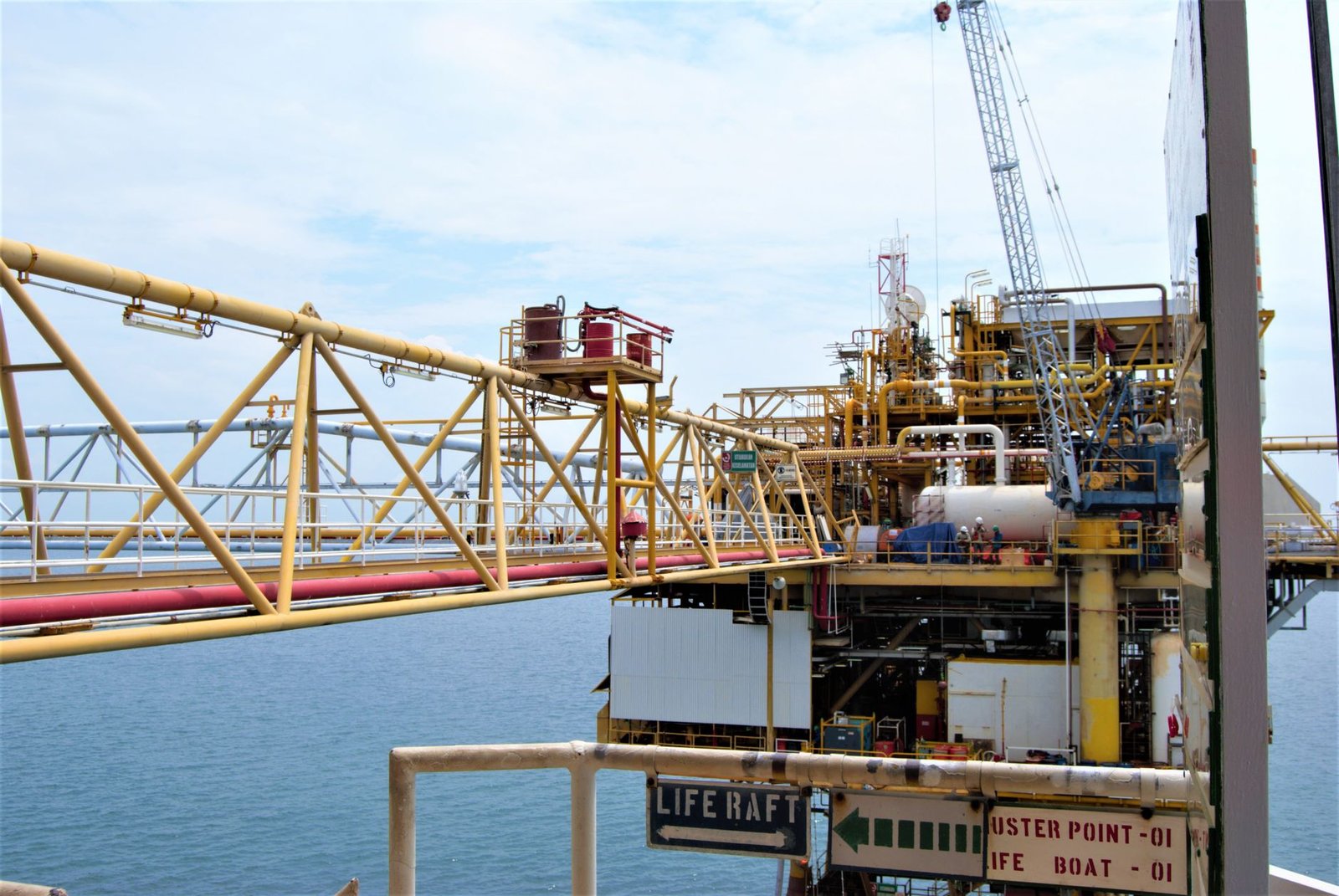
The decision to adjust OPEC oil output for October has sparked intense debate among industry experts. Many argue that maintaining current levels of OPEC oil output could stabilize prices in the volatile market.
Photo by Bayu Prakosa on Pexels
Where this came from
Related reading
- Quantum-Optical Spin Glass: The Smart Solution for AI Learning
- A Clear Introduction to Baccarat Hands, Cards, and Outcomes
- Mega888 Platform Features: Understanding Digital Gaming, Navigation, and User Safety
About the Author